Tag Archives: movies

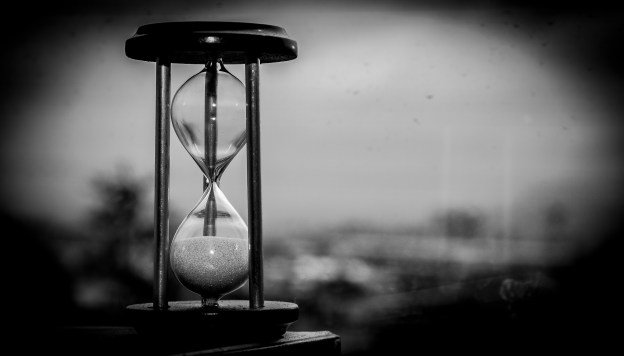
Hourglass / Image by Eduin Escobar from Pixabay

From Drake Hogestyn to John Black: End of an icon on ‘Days of our Lives’

John Black’s death on “Days of our Lives” hit hard—not just because we lost a fictional hero but because of what it meant for the people who knew and loved Drake Hogestyn.

For nearly 40 years, John Black saved lives, beat the odds and always came home to Marlena. But his final act of heroism—saving Bo—was one he wouldn’t survive.

John Black was the heartbeat of Salem—the other half of one of daytime’s most iconic couples, and a dependable constant through the wildest soap storylines imaginable. Watching him take his final breath wasn’t just painful—it felt personal.

The way he died was classic John Black: Heroic, self-sacrificing and driven by love for family.

He fought to get the medicine Bo needed, making it back from another secret mission just in time to help Steve and Shawn bypass the lab’s security system. That final act was pure John Black—saving a friend no matter the cost.

Bo lives because of John Black, and in a way, that legacy is fitting. John always put others first. But knowing that his final moments were—in some manner—also a goodbye from Drake Hogestyn makes it even harder to watch.

Drake Hogestyn last appeared on the show in September and died a few weeks later following a diagnosis of pancreatic cancer, which he kept away from the public spotlight. “Days of our Lives” films about eight months ahead, so, at the time, Hogestyn was leaving the show for medical reasons, likely planning to return.

He approved the storyline of John Black’s death, and that’s what makes this even more gut-wrenching.

Eric Martsolf, who plays John Black’s son Brady Black, said filming the funeral scenes didn’t feel real.

“It felt very unnatural to film a funeral of a character and a man who you knew was still with us,” Martsolf said in an interview.

By all accounts, Drake Hogestyn was a mentor, a father figure, a steady force behind the show.

I don’t think we’ll ever see a character like John Black again. He and Marlena were the gold standard for soap supercouples. Their love survived death, amnesia, possession and plot twists that defied logic—and it still felt grounded.

We didn’t just say goodbye to a character. We said goodbye to a legacy.

From Buzz to WALL-E: My personal Pixar movie-watching challenge

Like most Millennials I know, I love Pixar movies.

They’ve been a constant source of joy, inspiration and, yes, buckets of tears over the years.

There’s just something about the way Pixar captures emotions — the quiet beauty of relationships, the ache of loss, the thrill of adventure — that gets me every time.

Pixar movies don’t just tell stories; they make you feel them deep in your heart.

Take “Inside Out,” for example.

It’s a masterclass in emotional storytelling.

By personifying Joy, Sadness, Anger, Fear and Disgust, Pixar doesn’t just explain emotions; it validates them.

Watching Riley navigate the complexities of growing up while learning to embrace all her feelings — not just the happy ones — is such a poignant reminder of the importance of emotional balance.

It’s impossible not to cry when Joy and Sadness work together to help Riley reconnect with her family.

Then there’s “Up,” a movie that delivers one of the most heart-wrenching love stories ever told in just its first ten minutes.

The montage of Carl and Ellie’s life together is a bittersweet testament to love, loss and the enduring power of memory.

By the time Carl ties those balloons to his house and sets off on his adventure, you’re already so emotionally invested that the rest of the movie feels like a healing journey.

And then there’s “Finding Nemo.”

It’s not just a thrilling underwater adventure; it’s also a deeply emotional tale of love and the struggle to let go.

Marlin’s fear and overprotectiveness resonate with anyone who’s ever loved someone so much it hurts, and his journey to trust Nemo’s capabilities is as inspiring as it is touching.

Pixar has an uncanny ability to tackle complex themes in ways that feel accessible and authentic.

Whether it’s the existential questions raised in “Soul” or the celebration of family and legacy in “Coco,” these films have a way of making you think about life and relationships in new and meaningful ways.

Even “The Good Dinosaur,” often overlooked in the Pixar lineup, captures the raw emotion of fear, courage and finding your place in the world.

And let’s talk about “Toy Story 3.” That movie absolutely destroyed me (in the best way). The scene where Andy hands over his toys to Bonnie is one of the most poignant goodbyes ever put to screen.

It’s not just about saying farewell to childhood; it’s about embracing change and finding joy in new beginnings.

Pixar understands that life’s most meaningful moments are often bittersweet, and they’re not afraid to show it.

(And do not even talk to me about the conveyor belt scene!)

This love for Pixar movies hit me even harder after visiting “The Science Behind Pixar” exhibit at the Carnegie Science Center.

Seeing how much thought, effort and creativity goes into every tiny detail of these films blew me away.

From animating lifelike movements to designing entire worlds from scratch, it’s clear that every frame of a Pixar movie is crafted with so much care and love. It’s no wonder their movies resonate so deeply.

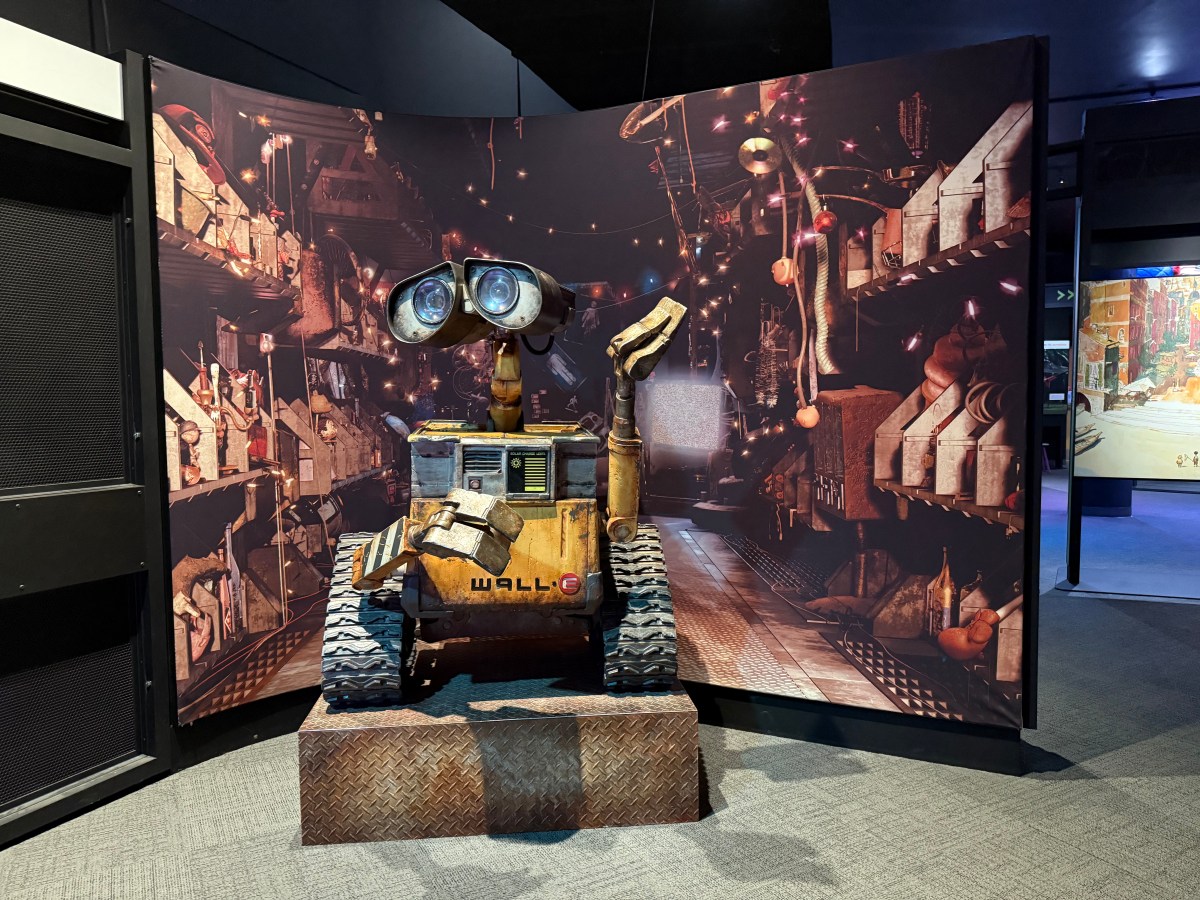
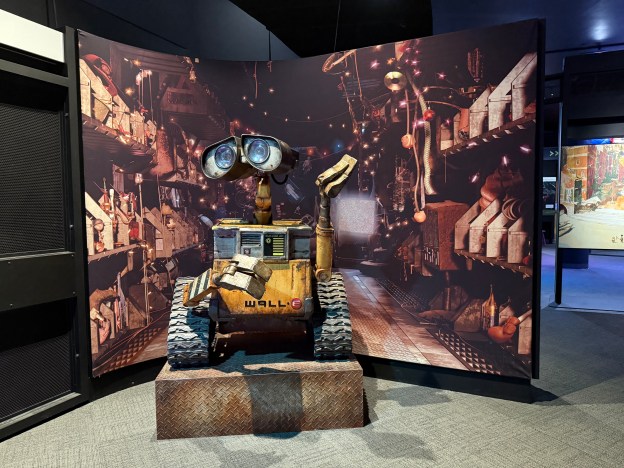
Walking through the exhibit, interacting with the displays and geeking out over photo ops with Buzz Lightyear, Sulley and Dory reminded me just how special Pixar is.

It reignited my passion for their storytelling and gave me an itch to revisit every single one of their films.

So, I decided to do just that. Over the next few months, I’m embarking on a journey to watch all the Pixar movies in series order, while also grouping them thematically.

It’s going to be a beautiful nostalgia trip.

Here’s my Pixar rewatch schedule:


Week 1: January 6–12

Theme: Pixar Beginnings

  1. Toy Story (1995)
  2. A Bug’s Life (1998)
  3. Toy Story 2 (1999)

Week 2: January 13–19

Theme: Monsters and Friends
4. Monsters Inc. (2001)
5. Monsters University (2013)
6. Finding Nemo (2003)

Week 3: January 20–26

Theme: Family Adventures
7. Finding Dory (2016)
8. The Incredibles (2004)
9. Incredibles 2 (2018)

Week 4: January 27–February 2

Theme: Racing and Resilience
10. Cars (2006)
11. Cars 2 (2011)
12. Cars 3 (2017)

Week 5: February 3–9

Theme: Creativity and Self-Discovery
13. Ratatouille (2007)
14. Brave (2012)
15. Onward (2020)

Week 6: February 10–16

Theme: Emotional Journeys
16. Inside Out (2015)
17. Soul (2020)
18. Elemental (2023)

Week 7: February 17–23

Theme: Space and Sci-Fi Adventures
19. WALL-E (2008)
20. Lightyear (2022)

Week 8: February 24–March 1

Theme: Cultural Celebrations
21. Coco (2017)
22. Luca (2021)

Week 9: March 2–8

Theme: Toy Story Finale
23. Toy Story 3 (2010)
24. Toy Story 4 (2019)

Week 10: March 9–15

Theme: Wrapping Up Pixar
25. The Good Dinosaur (2015)
26. Turning Red (2022)


This schedule lets me relive Pixar’s magic in an organized, intentional way. From the beginnings of Woody and Buzz’s friendship to the emotional depth of “Soul” and “Inside Out,” I’m excited to experience these stories all over again.

If you’re a Pixar fan too, I can’t recommend “The Science Behind Pixar” exhibit at the Carnegie Science Center enough. Read more about the exhibit, which closes Jan. 26, here.

It’s the perfect way to dive deeper into the art and science behind these beloved films and to fall even more in love with the characters and stories we’ve cherished for decades.
The Science Behind Pixar: A journey into animation at Carnegie Science Center

If you’ve ever wondered how Pixar creates its iconic animated films, the answers await you at “The Science Behind Pixar,” an immersive exhibit at the Carnegie Science Center.

After experiencing this immersive, hands-on journey myself, I can confidently say this exhibit is a must-see for fans of animation, science and storytelling alike.

Opened in May 2024 and extended through Jan. 26, the two-story, 12,000-square-foot exhibition transforms the PPG Science Pavilion into “PIXARburgh,” drawing visitors of all ages to dive into the fascinating intersection of science, technology, engineering and math (STEM) that fuels Pixar’s creative magic.

A behind-the-scenes look at Pixar’s movie-making process

From the moment you step into “The Science Behind Pixar,” you’re invited to explore the complex world of animation.

The exhibit features more than 50 hands-on activities that break down the intricate steps Pixar takes to bring beloved films like “Toy Story,” “Monsters Inc.” and “Finding Nemo” to life.

At various interactive stations, you can:

  • Design a robot friend for WALL-E by using magnetic body parts to experiment with how minor changes can impact storytelling.
  • Adjust lighting on a set from “Up” to see how color and brightness can create entirely different moods.
  • Control cameras on a large recreation of a set from “A Bug’s Life” to understand how perspective shapes the storytelling process.

These experiences provide a deeper appreciation for the technological brilliance and artistic creativity that go into Pixar’s films.

Selfies with your Pixar pals

The exhibit also delivers unforgettable photo moments with life-size recreations of fan-favorite characters. Snap selfies with Buzz Lightyear, Sulley, Mike, Dory, Nemo and WALL-E. These vibrant displays are perfect for Pixar fans of all ages and make for incredible keepsakes.


STEM meets storytelling

Pixar’s magic lies in its ability to merge science and creativity, and this exhibit captures that fusion perfectly.

“As Pittsburgh’s most-visited museum, the Science Center strives to connect visitors of all ages with science that ignites curiosity that endures for a lifetime,” Carnegie Science Center Director Jason Brown said in a news release.

Why you should go

Whether you’re a long-time Pixar fan, a STEM enthusiast or simply curious about how animated movies are made, “The Science Behind Pixar” offers something for everyone. It’s an eye-opening, hands-on exploration of the meticulous processes behind the films that have touched our hearts for decades.

Its run was extended for a few more weeks! Don’t miss your chance to explore this one-of-a-kind exhibit before it closes on Jan. 26.

Defying gravity or dragging along? My take on the ‘Wicked’ movie

Seeing the “Wicked” movie on a “pre-screening” night marked a significant step in my ongoing quest to understand this beloved story.

As someone who treasures “The Wizard of Oz,” I’ve always struggled with the narrative of “Wicked.”

While I’ve never seen the stage show live, I’ve read the book and watched a couple of bootleg videos of the Broadway production.

Each time, I found myself lost in the sprawling first act, overwhelmed by how much “Wicked” tries to pack into its story.

The movie helped bring some clarity.

Finally, I could better grasp the narrative threads tying Elphaba’s and Glinda’s journeys together.

The film’s visual grandeur and talented cast certainly helped.

Cynthia Erivo’s Elphaba is magnificent, capturing both vulnerability and power, while Jonathan Bailey’s Fiyero shines with charm and intrigue.

Ariana Grande, as Glinda, perfectly embodies the character’s bubbly exterior and hidden depth.

Adding to the film’s nostalgic appeal, original Broadway stars Idina Menzel and Kristin Chenoweth make brief appearances in the movie.

While their roles are small, their presence is a touching nod to fans of the stage show who have cherished their iconic portrayals of Elphaba and Glinda.

Seeing them included felt like a heartfelt acknowledgment of the legacy they created and a passing of the torch of sorts to Erivo and Grande, who now carry the story forward for a new generation of “Wicked” enthusiasts.

Despite its strengths, the movie’s pacing remains an issue.

At 2 hours and 40 minutes, “Wicked: Part One” (which is what this should be called in marketing efforts of the film) is longer than the entire Broadway production (2 hours and 30 minutes not counting the intermission), yet it tells only half the story.

This choice feels excessive, as the first part of the film drags in places, making me question why the story needed to be split into two movies.

One aspect where the movie excels is capturing the emotional core of “Wicked.”

At its heart, the story explores themes of friendship, identity and finding one’s voice in a world that silences those who are different.

This resonates deeply in today’s society, where marginalized groups often fight to be heard and valued.

The plight of the animals in “Wicked”—stripped of their ability to speak and ostracized by society—mirrors the experiences of those who face systemic oppression.

The story challenges viewers to question their complicity and consider the changes needed to create a more equitable world, especially for those whose struggles are too often ignored by the privileged.

That said, my longstanding issues with “Wicked” remain.

While many view it as enriching and expanding “The Wizard of Oz,” I’ve always felt it tries to undo the original’s magic.

The backstory for iconic characters like the Tin Man and Scarecrow feels forced, as though it diminishes the wonder of “The Wizard of Oz” rather than complementing it.

Ultimately, my journey with “Wicked” continues.

The movie offered a deeper understanding of the story but didn’t fully resolve my ambivalence.

Perhaps “Wicked: Part Two” will hold the answers—or perhaps “Wicked” is simply a story I’ll always admire from a distance, even if it doesn’t fully click for me.

Image by annca from Pixabay

Like sands through the hourglass: Exploring the legacy of ‘Days of our Lives’

For over six decades, “Days of our Lives” has been a cornerstone of television, enthralling audiences with its compelling storylines, unforgettable characters and enduring drama.

Since its debut on Nov. 8, 1965, this NBC soap opera has remained a beloved fixture in the hearts of viewers around the world, earning critical acclaim and a dedicated fanbase along the way.

In its inaugural episode, “Days of our Lives” introduced audiences to the fictional town of Salem, where the lives of its residents are woven together through love, betrayal and intrigue.

At the forefront of the series was the Horton family, led by patriarch Dr. Tom Horton (played by MacDonald Carey) and his wife, Alice Horton (Frances Reid). Their children — Tom Jr. (John Lupton), Mickey (John Clarke), Bill (Edward Mallory), and Marie (Maree Cheatham) — formed the nucleus of the show’s early years, laying the groundwork for decades of dramatic storytelling.

One of the most iconic and memorable storylines on “Days of our Lives” occurred in the mid-1990s when the character Marlena Evans (Deidre Hall) was possessed by the devil. This supernatural plotline, which unfolded over several months, brought a new level of intrigue and suspense to the show. Hall’s portrayal of the possessed Marlena captivated audiences and showcased the series’ willingness to push boundaries, solidifying its reputation as a groundbreaking drama.

Another pivotal moment in the show’s history came with the death of Alice Horton in 2010. Frances Reid, who portrayed Alice for over four decades, passed away, leading to a poignant storyline that paid tribute to her character’s enduring legacy. The loss of Alice reverberated throughout Salem, serving as a reminder of the profound impact she had on the show and its characters.

In addition to these major plotlines, “Days of our Lives” has explored a wide range of captivating story arcs over the years. From forbidden romances to shocking betrayals, the show has never been afraid to tackle complex and controversial topics, keeping viewers on the edge of their seats episode after episode.

One of the most enduring love stories on “DAYS” is the relationship between Bo Brady (Peter Reckell) and Hope Williams (Kristian Alfonso). Their rollercoaster romance, filled with passion, heartache, and undeniable chemistry, has been a cornerstone of the series for decades, capturing the hearts of fans around the world.

The villainous schemes of characters like Stefano DiMera (Joseph Mascolo) have also left an indelible mark on the show’s legacy. Stefano, often referred to as “The Phoenix” due to his ability to rise from the ashes of defeat, has been a constant thorn in the side of the residents of Salem, orchestrating elaborate plots and manipulations that have kept viewers glued to their screens for years.

In recent years, “Days of our Lives” has continued to evolve, introducing new characters and storylines while still honoring its rich history.

In 2011, “Days of our Lives” made history by introducing its first openly gay characters, Will Horton (ex-Chandler Massey) and Sonny Kiriakis (ex-Freddie Smith). Their arrival marked a significant milestone for the show and for daytime television as a whole, as they became pivotal figures in representing LGBTQ representation onscreen.

Will Horton, the son of iconic characters Sami Brady (Alison Sweeney) and Lucas Horton (Bryan Dattilo), initially struggled with his sexuality, grappling with his feelings and fears of rejection from his family and community. Meanwhile, Sonny Kiriakis, the confident and charismatic scion of the powerful Kiriakis family, provided a supportive presence in Will’s life as he navigated his journey of self-discovery.

Their love story unfolded with depth and authenticity, depicting the challenges and triumphs of being in a same-sex relationship in a small town like Salem. As their bond deepened, Will and Sonny faced prejudice, judgment, and external pressures, but their commitment to each other remained unwavering.

In 2012, “Days of our Lives” made history once again when Will and Sonny exchanged vows in a groundbreaking same-sex wedding ceremony. The event was a landmark moment not only for the show but also for LGBTQ representation in mainstream media. It showcased the power of love to overcome adversity and the importance of acceptance and inclusion.

Following their marriage, Will and Sonny faced a series of trials and tribulations, including infidelity, custody battles, and even temporary separation. However, through it all, their love endured, proving to be a source of strength and resilience in the face of adversity.

Massey and Smith’s portrayal of Will and Sonny earned widespread praise from fans and critics alike, with their onscreen chemistry and heartfelt performances resonating with audiences around the world. Their characters’ journeys served as a beacon of hope and inspiration for LGBTQ viewers who saw themselves represented onscreen in a meaningful and authentic way.

The ensemble cast — which has included talented actors over the years such as Sweeney, Drake Hogestyn, Bill Hayes and Susan Seaforth Hayes — remains a driving force behind the show’s enduring success.

From the forbidden romance between Nicole Walker (Arianne Zucker) and Eric Brady (Greg Vaughan) to the dramatic return of fan-favorite characters like Jack Deveraux (Matthew Ashford) and Jennifer Horton (Melissa Reeves), “Days of our Lives” continues to captivate audiences with its compelling storytelling and dynamic characters.

As “Days of our Lives” celebrates over six decades on the air, its legacy as a groundbreaking and beloved show remains as strong as ever. Through its timeless drama, memorable characters and unforgettable moments, the show has left an indelible mark on the landscape of daytime television, earning its place in the hearts of viewers around the world.

In a television landscape that is constantly evolving, “Days of our Lives” stands as a testament to the enduring power of storytelling. Whether it’s a shocking plot twist or a tender moment between beloved characters, the show continues to captivate audiences and remind us of the timeless appeal of good old-fashioned drama. As we look forward to the next chapter in the saga of Salem, one thing is certain: the legacy of “Days of our Lives” will live on for the rest of the days of our lives.