World Mental Health Day is observed on Oct. 10, serving as a reminder of the importance of mental health awareness and the necessity of seeking help for mental health issues. Addressing these challenges can lead to improved well-being, enhanced coping strategies and a better quality of life for everyone.
Acknowledging our mental health struggles is a crucial step in fostering well-being. It’s all too easy to downplay our emotions, convincing ourselves that “someone else has it worse” or that our struggles are insignificant. However, doing so invalidates our own feelings and experiences. Pain is personal; just because others may be going through difficult times doesn’t make what we experience any less real or worthy of attention. We all deserve to feel what we feel, and recognizing that our emotions are valid is essential to our healing process.
Surrounding ourselves with people who genuinely show up for us during these difficult moments is equally important. Genuine friends and loved ones provide the support system we need when things feel overwhelming. They offer understanding, compassion and a much-needed listening ear. These are the people who remind us that we’re not alone, who don’t just offer words of comfort but stand by us when we need it most. Relationships like these can act as a lifeline when we’re struggling, allowing us to feel seen, supported and cared for.
In addition to seeking support from friends and others, pursuing medical help or counseling is a healthy and brave way to address mental health challenges. Therapy or medical guidance can provide the tools, strategies and perspectives needed to manage our mental health effectively. It creates the space for us to process our emotions in a constructive way, enabling us to develop coping mechanisms that work for us. Seeking help is not a sign of weakness; rather, it’s a powerful step toward healing and growth.
We all experience hard times, and while it’s perfectly OK to not feel OK, what’s most important is that we give ourselves permission to seek help, to be vulnerable, and to acknowledge our feelings without dismissing them. Recognizing that we deserve care — whether through friendship, therapy, or a combination of both — is vital. Our mental health matters, and prioritizing it can lead us toward a more fulfilling life.
On this World Mental Health Day, and every day, let’s take a moment to:
Reflect on our mental health
Reach out to someone who may need support
Remind ourselves that we are not alone in our struggles
Whether you seek help through professional resources, open conversations with friends, or simply taking time for self-care, remember that every step taken toward addressing mental health is a step toward a brighter, healthier future. Let’s commit to breaking the stigma surrounding mental health and encourage open dialogues that foster understanding, compassion, and support for one another.
Have more time? Keep reading to learn more and donate!
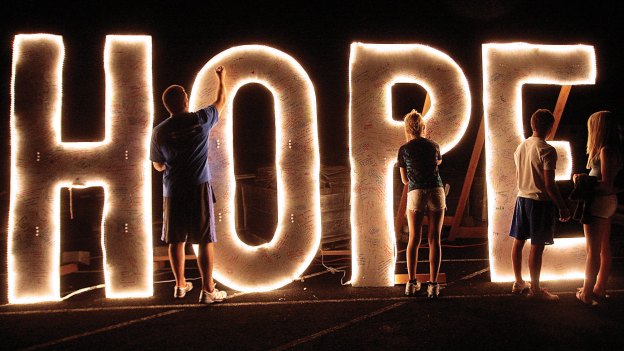
Help fund hope
Your donation to the American Cancer Society helps to fund hope.
The American Cancer Society is at the forefront of the battle against cancer.
In 2022 alone, the American Cancer Society invested $267 million in groundbreaking cancer research. These funds support innovative studies aimed at discovering better treatments, understanding the causes of cancer and improving the quality of life for those affected by the disease. This research is crucial for making strides in prevention, early detection, and treatment of cancer.
The American Cancer Society has funded numerous groundbreaking research projects over the past 50 years that have significantly advanced our understanding and treatment of cancer.
Here are five crucial research projects:
Discovery of the BRCA1 and BRCA2 genes
In the 1990s, American Cancer Society-funded researchers played a pivotal role in identifying the BRCA1 and BRCA2 genes, mutations of which are linked to a higher risk of breast and ovarian cancers.
This discovery has led to the development of genetic tests that can identify individuals at high risk, allowing for preventive measures such as increased surveillance, prophylactic surgeries, and personalized treatment plans.
Development of the HPV vaccine
American Cancer Society-funded research was instrumental in the development of the human papillomavirus (HPV) vaccine, which protects against the virus responsible for the majority of cervical cancer cases.
The introduction of the HPV vaccine has the potential to drastically reduce the incidence of cervical and other HPV-related cancers, offering a powerful tool for cancer prevention.
Advances in chemotherapy for childhood leukemia
The American Cancer Society has supported numerous studies that have improved chemotherapy protocols for treating childhood leukemia, particularly acute lymphoblastic leukemia, or “ALL.”
These advancements have significantly increased survival rates for children diagnosed with ALL, transforming it from a largely fatal disease to one with a high cure rate.
Research on immunotherapy
The American Cancer Society has funded pioneering research in immunotherapy, which harnesses the body’s immune system to fight cancer. This includes work on checkpoint inhibitors and CAR T-cell therapy.
Immunotherapy has revolutionized cancer treatment, offering new hope for patients with types of cancer that were previously difficult to treat, such as melanoma and certain types of lymphoma.
Understanding cancer metastasis
American Cancer Society-funded researchers have made significant strides in understanding how cancer spreads (metastasizes) from its original site to other parts of the body.
This research has led to the development of treatments aimed at preventing metastasis, which is responsible for the majority of cancer deaths. By targeting metastatic processes, these treatments have the potential to improve survival rates and quality of life for patients.
Value of the research
Patients: These projects have led to earlier detection, more effective treatments, and higher survival rates, offering hope and improved outcomes for patients.
Caregivers: Advancements in cancer treatment and understanding help caregivers by providing them with better tools and knowledge to support their loved ones through their cancer journey.
Cancer community: Continued research fosters a deeper understanding of cancer biology, paving the way for innovative therapies and ultimately bringing us closer to a world without cancer.
These contributions by the American Cancer Society underscore the critical role of research in transforming cancer care and improving the lives of patients and their families.
Cancer incidences on the rise as cancer deaths decline
The American Cancer Society expects the U.S. to hit a bleak milestone: More than 2 million new cases of cancer. That’s almost 5,500 per day.
Some cancer types are increasing in specific subgroups. For example, colorectal cancer is rising among people under 55, liver cancer in women, oral cancers linked to HPV and cervical cancer in women aged 30-44.
While four of these cancers (breast, prostate, colorectal and cervical) have screening tests, which can prevent cancer by detecting precancerous lesions, the incidence of six rising cancers is associated with excess body weight: Endometrial, liver, kidney, pancreatic, colorectal and breast cancers.
The rising incidence of cancer affects younger populations as well. Although people aged 65 and older still represent a significant proportion of cancer diagnoses, this group’s share has decreased from 61% in 1995 to 58% in 2019-2020.
Conversely, cancer diagnoses in people aged 50-64 are increasing. This shift is partly due to declines in prostate and smoking-related cancers in older men and rising cancer incidence in those born since the 1950s, potentially linked to the obesity epidemic and other unknown factors.
The proportion of people under 50 diagnosed with cancer has decreased from 15% to 12%, despite an overall rise in cancer incidence in this age group from 1995 to 2020.
Colorectal cancer is notably increasing among those under 50, now the leading cause of cancer death in younger men and the second in women.
The cause remains unclear but may involve lifestyle changes since the 1950s. Cervical cancer is also rising in women aged 30-44, while it has declined in women aged 20-24 who were among the first to receive the HPV vaccine.
Over the past 30 years, the cancer death rate in the United States has steadily declined, saving approximately 4 million lives.
This decrease is attributed to significant progress in smoking cessation, early detection and treatment advancements.
However, the incidence of many common cancers is rising. In 2024, the US is expected to see new cancer cases surpass 2 million, equating to about 5,500 diagnoses daily.
This increase is driven by an aging population and a rise in six of the ten most common cancers: breast, prostate, endometrial, pancreatic, kidney and melanoma.
Projected cancer deaths for 2024 are over 611,000, with more than 1,600 deaths daily.
LGBTQ people face unique risks for developing cancer
LGBTQ people face unique cancer risks and significant disparities in cancer incidence and outcomes. Research indicates disparities across the cancer continuum—from prevention to early detection and treatment—though more data is needed to fully understand these differences.
“The LGBTQ+ population has some differences in exposures that are probably pretty influential in terms of their risk for developing cancer, but we can’t look at the cancer risk because we don’t have data. Data is also key for the development of targeted cancer-control efforts. It’s time the US fills that gap,” said Rebecca Siegel, one of the authors of the 2024 “Cancer Facts & Figures” study.
Currently, population-based information on cancer in the LGBTQ+ community is limited to national surveys that gather data on risk factors and screening practices. However, there are no active methods for collecting comprehensive data on cancer incidence and mortality in this group because sexual orientation and gender identity are not consistently recorded in medical records. This lack of data hampers targeted cancer control efforts and underscores the need for more inclusive data collection practices to address and mitigate these disparities effectively.
Cancer increasingly affecting younger people
Cancer is increasingly affecting younger populations. While cancer risk typically rises with age, the demographics of cancer diagnoses are shifting. In 1995, people aged 65 and older accounted for 61% of new cancer cases, but by 2019-2020, this had dropped to 58%. Meanwhile, the proportion of cancer diagnoses in those aged 50 to 64 has grown, driven by declines in prostate cancer and smoking-related cancers among older men, and a rise in cancers in those born since the 1950s, likely influenced by the obesity epidemic and other unknown factors.
Conversely, the proportion of cancer diagnoses in individuals under 50 has decreased from 15% to 12%, although this group saw an overall increase in cancer incidence from 1995 to 2020. A significant concern is the rise in colorectal cancer among those under 50, now the leading cause of cancer death in men under 50 and the second in women of the same age. This increase is likely due to lifestyle changes starting with those born around 1950. Nearly one-third of individuals diagnosed with colorectal cancer before 50 have a family history or genetic predisposition, prompting recommendations for earlier screening.
Additionally, cervical cancer rates are rising among women aged 30 to 44. In contrast, the HPV vaccine’s impact is evident in women aged 20-24, with a notable decline in cervical cancer incidence from 2012 to 2019.
Progress against cancer lags in communities of color
Racial disparities in cancer remain significant and persistent. Black individuals with prostate, stomach and uterine cancers have double the death rate compared to white individuals. Similarly, American Indian and Alaska Native individuals face twice the death rates for liver, stomach and kidney cancers compared to white people.
Key statistics highlight these disparities:
Black men have the highest overall cancer death rate, 19% higher than white men, primarily due to prostate cancer.
American Indian and Alaska Native people have the highest overall incidence and mortality rates for men and women combined. Alaska Natives have the highest global rates of colorectal cancer incidence and mortality.
Hispanic individuals have lower rates of common cancers like breast and prostate but high rates of infection-related cancers, with cervical cancer incidence 35% higher than in white women.
Black women with endometrial cancer face double the death rate of white women, despite similar incidence, due to later diagnoses and poorer survival rates.
Advancements in cancer treatment and early detection have not benefited minority communities equally. Historical and ongoing racial discrimination has led to significant socioeconomic disparities, limiting access to healthy living conditions, timely cancer diagnoses and high-quality treatment. Segregationist and discriminatory policies in various sectors continue to exacerbate these inequalities, impacting cancer outcomes in these populations.
With YOUR support, the American Cancer Society is making a difference in the fight against cancer through research grants that help to uncover better ways to treat cancer, find cancer and help people with cancer live better lives.
With YOUR support, the American Cancer Society is helping to fund programs and services that provide support to cancer patients, their families and, really, all of us.
Among these programs is the organization’s 24/7 cancer support line, which offers a live human available any hour of the day to answer any questions you might have about cancer. You can call 1-800-227-2345.
For nearly 30 years, I’ve been a participant, supporter and volunteer with the American Cancer Society. What began as a way to celebrate and remember the life of my grandmother has grown to celebrate, remember and honor far too many other people who have been impacted by cancer. I Relay to help fund hope.
Your support will help fund research, programs, services, information — and it will help fund hope.
April marks Testicular Cancer Awareness Month, a crucial time to shed light on this often overlooked but highly treatable form of cancer.
Testicular cancer may not be as commonly discussed as other types of cancer, but it’s essential to raise awareness about the importance of early detection and screening. With knowledge and proactive measures, we can save lives and support those affected by this disease.
According to the American Cancer Society, about 9,760 new cases of testicular cancer will be diagnosed this year. It is the most common cancer diagnosed in young men 15 to 35. This underscores the importance of raising awareness among this demographic and encouraging regular screenings.
Early detection is key to successful treatment and improved outcomes for testicular cancer. The American Cancer Society recommends that men be aware of the signs and symptoms of testicular cancer, including:
A lump or swelling in either testicle
Pain or discomfort in the testicle or scrotum
A feeling of heaviness in the scrotum
Changes in the size or shape of the testicle
A dull ache or sharp pain in the lower abdomen or groin
Regular self-exams can help men become familiar with the normal size, shape, and texture of their testicles, making it easier to detect any abnormalities. To perform a self-exam, men should gently roll each testicle between their thumb and fingers, checking for lumps, swelling, or other changes. Any concerns should be promptly discussed with a healthcare provider.
In addition to self-exams, routine screenings by a healthcare professional are essential for early detection. Men should speak with their doctors about their risk factors for testicular cancer and discuss the appropriate screening schedule based on their age, family history, and other factors.
For those facing a diagnosis of testicular cancer, it’s crucial to know that support and resources are available. Organizations like the American Cancer Society offer a wealth of information, guidance and support services for individuals and families affected by cancer. Their website provides comprehensive resources on testicular cancer, including information about treatment options, coping strategies and support groups.


 BobbyCherry.com