The April 2024 eclipse keeps paying off for Erie, Pennsylvania.
VisitErie, Erie County’s tourism marketing and promotion organization, received the U.S. Travel Association’s 2024 Educational Seminar for Tourism Organizations Destiny Award for “Integrated Marketing and Messaging Campaign: Overall DMO Marketing Budget less than $1 million” for its “The Ultimate Sunblock” eclipse campaign.
The organization was presented the award Aug. 13 at the U.S. Travel Association’s 2024 Educational Seminar for Tourism Organizations conference in Columbus, Ohio.
“I am so honored to have this campaign recognized by an organization as prominent as the U.S. Travel Association, allowing us to share it with industry peers nationwide,” Emily Biddle, VisitErie’s director of marketing and research and leader of both the campaign and Erie’s regional planning committee, said in a statement. “From the minute our team heard the idea from our creative agency, Red House Communications, we knew we could have a lot of fun with ‘The Ultimate Sunblock’ — and we did. We are so appreciative of the Erie community embracing this campaign during the eclipse. This award makes us all the more eager to keep pushing boundaries with our marketing to inspire travel to this spectacular region.”
VisitErie and Red House Communications submitted a summary of its eclipse campaign.
Erie was Pennsylvania’s only city in the eclipse’s path of totality on April 8. VisitErie estimates that more than 100,000 people traveled to Erie that weekend. With nearly a 100 percent hotel occupancy, VisitErie says that the eclipse weekend likely represents the largest visitation weekend in Erie history.
Have more time? Keep reading to learn more and donate!
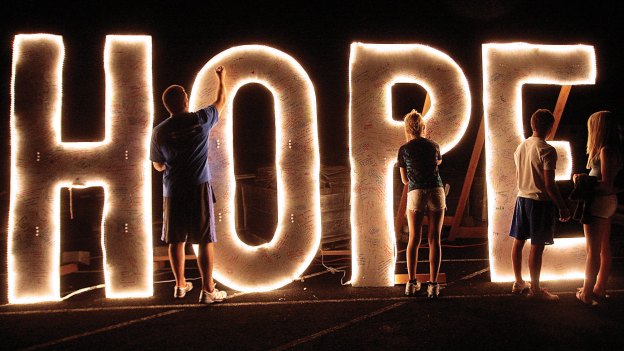
Help fund hope
Your donation to the American Cancer Society helps to fund hope.
The American Cancer Society is at the forefront of the battle against cancer.
In 2022 alone, the American Cancer Society invested $267 million in groundbreaking cancer research. These funds support innovative studies aimed at discovering better treatments, understanding the causes of cancer and improving the quality of life for those affected by the disease. This research is crucial for making strides in prevention, early detection, and treatment of cancer.
The American Cancer Society has funded numerous groundbreaking research projects over the past 50 years that have significantly advanced our understanding and treatment of cancer.
Here are five crucial research projects:
Discovery of the BRCA1 and BRCA2 genes
In the 1990s, American Cancer Society-funded researchers played a pivotal role in identifying the BRCA1 and BRCA2 genes, mutations of which are linked to a higher risk of breast and ovarian cancers.
This discovery has led to the development of genetic tests that can identify individuals at high risk, allowing for preventive measures such as increased surveillance, prophylactic surgeries, and personalized treatment plans.
Development of the HPV vaccine
American Cancer Society-funded research was instrumental in the development of the human papillomavirus (HPV) vaccine, which protects against the virus responsible for the majority of cervical cancer cases.
The introduction of the HPV vaccine has the potential to drastically reduce the incidence of cervical and other HPV-related cancers, offering a powerful tool for cancer prevention.
Advances in chemotherapy for childhood leukemia
The American Cancer Society has supported numerous studies that have improved chemotherapy protocols for treating childhood leukemia, particularly acute lymphoblastic leukemia, or “ALL.”
These advancements have significantly increased survival rates for children diagnosed with ALL, transforming it from a largely fatal disease to one with a high cure rate.
Research on immunotherapy
The American Cancer Society has funded pioneering research in immunotherapy, which harnesses the body’s immune system to fight cancer. This includes work on checkpoint inhibitors and CAR T-cell therapy.
Immunotherapy has revolutionized cancer treatment, offering new hope for patients with types of cancer that were previously difficult to treat, such as melanoma and certain types of lymphoma.
Understanding cancer metastasis
American Cancer Society-funded researchers have made significant strides in understanding how cancer spreads (metastasizes) from its original site to other parts of the body.
This research has led to the development of treatments aimed at preventing metastasis, which is responsible for the majority of cancer deaths. By targeting metastatic processes, these treatments have the potential to improve survival rates and quality of life for patients.
Value of the research
Patients: These projects have led to earlier detection, more effective treatments, and higher survival rates, offering hope and improved outcomes for patients.
Caregivers: Advancements in cancer treatment and understanding help caregivers by providing them with better tools and knowledge to support their loved ones through their cancer journey.
Cancer community: Continued research fosters a deeper understanding of cancer biology, paving the way for innovative therapies and ultimately bringing us closer to a world without cancer.
These contributions by the American Cancer Society underscore the critical role of research in transforming cancer care and improving the lives of patients and their families.
Cancer incidences on the rise as cancer deaths decline
The American Cancer Society expects the U.S. to hit a bleak milestone: More than 2 million new cases of cancer. That’s almost 5,500 per day.
Some cancer types are increasing in specific subgroups. For example, colorectal cancer is rising among people under 55, liver cancer in women, oral cancers linked to HPV and cervical cancer in women aged 30-44.
While four of these cancers (breast, prostate, colorectal and cervical) have screening tests, which can prevent cancer by detecting precancerous lesions, the incidence of six rising cancers is associated with excess body weight: Endometrial, liver, kidney, pancreatic, colorectal and breast cancers.
The rising incidence of cancer affects younger populations as well. Although people aged 65 and older still represent a significant proportion of cancer diagnoses, this group’s share has decreased from 61% in 1995 to 58% in 2019-2020.
Conversely, cancer diagnoses in people aged 50-64 are increasing. This shift is partly due to declines in prostate and smoking-related cancers in older men and rising cancer incidence in those born since the 1950s, potentially linked to the obesity epidemic and other unknown factors.
The proportion of people under 50 diagnosed with cancer has decreased from 15% to 12%, despite an overall rise in cancer incidence in this age group from 1995 to 2020.
Colorectal cancer is notably increasing among those under 50, now the leading cause of cancer death in younger men and the second in women.
The cause remains unclear but may involve lifestyle changes since the 1950s. Cervical cancer is also rising in women aged 30-44, while it has declined in women aged 20-24 who were among the first to receive the HPV vaccine.
Over the past 30 years, the cancer death rate in the United States has steadily declined, saving approximately 4 million lives.
This decrease is attributed to significant progress in smoking cessation, early detection and treatment advancements.
However, the incidence of many common cancers is rising. In 2024, the US is expected to see new cancer cases surpass 2 million, equating to about 5,500 diagnoses daily.
This increase is driven by an aging population and a rise in six of the ten most common cancers: breast, prostate, endometrial, pancreatic, kidney and melanoma.
Projected cancer deaths for 2024 are over 611,000, with more than 1,600 deaths daily.
LGBTQ people face unique risks for developing cancer
LGBTQ people face unique cancer risks and significant disparities in cancer incidence and outcomes. Research indicates disparities across the cancer continuum—from prevention to early detection and treatment—though more data is needed to fully understand these differences.
“The LGBTQ+ population has some differences in exposures that are probably pretty influential in terms of their risk for developing cancer, but we can’t look at the cancer risk because we don’t have data. Data is also key for the development of targeted cancer-control efforts. It’s time the US fills that gap,” said Rebecca Siegel, one of the authors of the 2024 “Cancer Facts & Figures” study.
Currently, population-based information on cancer in the LGBTQ+ community is limited to national surveys that gather data on risk factors and screening practices. However, there are no active methods for collecting comprehensive data on cancer incidence and mortality in this group because sexual orientation and gender identity are not consistently recorded in medical records. This lack of data hampers targeted cancer control efforts and underscores the need for more inclusive data collection practices to address and mitigate these disparities effectively.
Cancer increasingly affecting younger people
Cancer is increasingly affecting younger populations. While cancer risk typically rises with age, the demographics of cancer diagnoses are shifting. In 1995, people aged 65 and older accounted for 61% of new cancer cases, but by 2019-2020, this had dropped to 58%. Meanwhile, the proportion of cancer diagnoses in those aged 50 to 64 has grown, driven by declines in prostate cancer and smoking-related cancers among older men, and a rise in cancers in those born since the 1950s, likely influenced by the obesity epidemic and other unknown factors.
Conversely, the proportion of cancer diagnoses in individuals under 50 has decreased from 15% to 12%, although this group saw an overall increase in cancer incidence from 1995 to 2020. A significant concern is the rise in colorectal cancer among those under 50, now the leading cause of cancer death in men under 50 and the second in women of the same age. This increase is likely due to lifestyle changes starting with those born around 1950. Nearly one-third of individuals diagnosed with colorectal cancer before 50 have a family history or genetic predisposition, prompting recommendations for earlier screening.
Additionally, cervical cancer rates are rising among women aged 30 to 44. In contrast, the HPV vaccine’s impact is evident in women aged 20-24, with a notable decline in cervical cancer incidence from 2012 to 2019.
Progress against cancer lags in communities of color
Racial disparities in cancer remain significant and persistent. Black individuals with prostate, stomach and uterine cancers have double the death rate compared to white individuals. Similarly, American Indian and Alaska Native individuals face twice the death rates for liver, stomach and kidney cancers compared to white people.
Key statistics highlight these disparities:
Black men have the highest overall cancer death rate, 19% higher than white men, primarily due to prostate cancer.
American Indian and Alaska Native people have the highest overall incidence and mortality rates for men and women combined. Alaska Natives have the highest global rates of colorectal cancer incidence and mortality.
Hispanic individuals have lower rates of common cancers like breast and prostate but high rates of infection-related cancers, with cervical cancer incidence 35% higher than in white women.
Black women with endometrial cancer face double the death rate of white women, despite similar incidence, due to later diagnoses and poorer survival rates.
Advancements in cancer treatment and early detection have not benefited minority communities equally. Historical and ongoing racial discrimination has led to significant socioeconomic disparities, limiting access to healthy living conditions, timely cancer diagnoses and high-quality treatment. Segregationist and discriminatory policies in various sectors continue to exacerbate these inequalities, impacting cancer outcomes in these populations.
With YOUR support, the American Cancer Society is making a difference in the fight against cancer through research grants that help to uncover better ways to treat cancer, find cancer and help people with cancer live better lives.
With YOUR support, the American Cancer Society is helping to fund programs and services that provide support to cancer patients, their families and, really, all of us.
Among these programs is the organization’s 24/7 cancer support line, which offers a live human available any hour of the day to answer any questions you might have about cancer. You can call 1-800-227-2345.
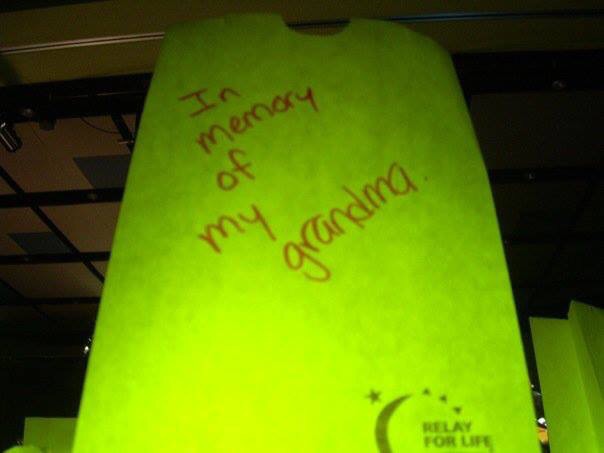
For nearly 30 years, I’ve been a participant, supporter and volunteer with the American Cancer Society. What began as a way to celebrate and remember the life of my grandmother has grown to celebrate, remember and honor far too many other people who have been impacted by cancer. I Relay to help fund hope.
Your support will help fund research, programs, services, information — and it will help fund hope.
Will you join me in providing much-needed donations to help fight back against cancer?
tl;dr: I’m raising funds to help support American Cancer Society research, programs and services. Make a $20 donation here.
Have more time? Keep reading?
COVID-19 and cancer
COVID-19 safety measures kept millions of us safer during the height of uncertainty over the last few years. But the ripple effect on cancer screenings is alarming, according to a recent American Cancer Society study.
In the survey conducted between 2018 and 2020, past-year breast and cervical cancer screening prevalence declined by 6% and 11%, respectively.
“The study is the first of its kind and confirms that breast, cervical and colon cancer screenings dropped during the pandemic with millions of screenings missing in 2020,” the peer-reviewed Journal of the American Medical Association wrote in its story.
Why is this relevant? The American Cancer Society focuses efforts on screening education and outreach. Supporting the American Cancer Society will help more people get screened and educated on the risks of cancer and preventative measures.
18 million cancer survivors
A new American Cancer Society report shows 18 million Americans with a history of cancer were living in the United States as of Jan. 1.
That’s great news!
But, that means more research is needed to better understand and support people living with cancer.
“As the population of cancer survivors continues to grow and age, there is an increased need for guidance for health professionals, caregivers, and patients on how to manage late and long-term effects of cancer and its treatment, maintain healthy behaviors and limit financial toxicity,” said Kimberly Miller, scientist, surveillance and health equity science at the ACS, and lead author of the study. “In addition, the survivor population is increasingly diverse, and further resources are needed to ensure equitable access to survivorship care.”
Study: Racial disparities in cancer treatment and survival suggest large inequalities in access to care
That same American Cancer Society study found that there are substantial racial disparities in treatment.
For example, according to the study, receipt of surgery is substantially lower among Black patients than white patients with non-small cell lung cancer, 49% versus 55% for stages I-II and 16% versus 22% for stage III, according to the American Cancer Society.
One of the largest racial disparities occurs in the treatment of rectal cancer, where 41% of Black patients with stage I disease receive proctectomy or proctocolectomy compared to 66% of white patients, according to the American Cancer Society.
Treatment disparities are exacerbated by later-stage diagnosis in Black people than in white people for most cancers, with one of the largest disparities for uterine corpus cancer (59% vs. 73% diagnosed with stage I disease, respectively).
“More evidence-based strategies and equitable access to available resources are needed to mitigate disparities for communities of color,” Miller said.
With YOUR support, the American Cancer Society is making a difference in the fight against cancer through research grants that help to uncover better ways to treat cancer, find cancer and help people with cancer live better lives.
With YOUR support, the American Cancer Society is helping to fund programs and services that provide support to cancer patients, their families and, really, all of us.
Among these programs includes the organization’s 24/7 cancer support line, which offers a live human available any hour of the day to answer any questions you might have about cancer. You can call 1-800-227-2345.
This year marks my 26th year as a participant, supporter and volunteer with the American Cancer Society. What began as a way to celebrate and remember the life of my grandmother has grown to celebrate, remember and honor far too many other people who have been impacted by cancer.
Your support will help fund research, programs, services, information — and it will help fund hope.
I did something this week that was long overdue: I stepped away from all of my volunteer and extracurricular activities.
I stepped back from volunteering* with an organization I’ve been heavily involved with for more than 25 years.
I officially resigned from a nonprofit board position, stepped back from a few other nonprofits where I’ve offered assistance or volunteered and said no to some recent asks for my help in other activities.
Being forced last year to pause so much helped me take a hard look at what I was spending my life doing. Like a lot of you, I said “yes” far too much.
I’ve been going hard at volunteering for nonprofits for way too long. For many years, I tried to keep track of my hours spent volunteering and I easily racked up anywhere from 1,800 to 2,600 hours a year volunteering.
I’ve put so much time in, and I just needed to take a break — something I’ve been trying to do for a few years now. But every time I found myself with extra time, I found some nonprofit group or activity to fill its void. I’ve said “yes” too often just thinking it would be a simple ask, and it usually wasn’t.
The ongoing global pandemic has taught me that I need to slow down and live my life.
The nonprofit groups will continue. The other activities will go on.
When I’m ready, I’ll find my way back into volunteering — either for groups I’ve recently hit pause on or new endeavors.
There’s a song from one of the greatest musicals — “Avenue Q” — that I often am reminded of: “For Now.” The lyrics go: “Nothing lasts. Life goes on, full of surprises. … Except for death and paying taxes, everything in life is only for now.” This pause is only for now.
What led me to this decision that, from the outside, seems drastic? As I said earlier, it’s been a long time coming. When doing any kind of volunteering, I think of another “Avenue Q” song that goes: “When you help others, you’re really helping yourself.” Helping nonprofit groups began to feel like tasks mounting with no end in sight — and I started to feel as though I wasn’t helping myself.
A friend suggested that nonprofit work should still — at the core — be fun and fulfilling.
The other day, I ran across a post on Facebook with the quote posted above. I found Yasmine Cheyenne’s Instagram account to give her proper credit. But that quote (“I don’t have to apologize for letting go or choosing things in the name of my peace and healing”) really resonated with me. It’s OK to let go.
* Besides, did you really think I could completely step away? I’m still going to raise some money for the American Cancer Society because I signed up as a team captain and don’t want to have a zero-dollar team. But I’m going to do it with as little effort this year. And I still plan to help with a journalism group.
Of course, with an ongoing pandemic, there is little to fill this large chunk of time with. And maybe that’s for the best for now.
Navigating life in a global pandemic isn’t easy — we all know that.
After spending a week in Erie dog and house sitting for friends, I wasn’t quite ready to head back to my house, where I — like many other people in their own homes — have been cooped up nearly 24/7 since mid-March.
So I opted for my favorite Erie hotel: the Sheraton Bayfront.
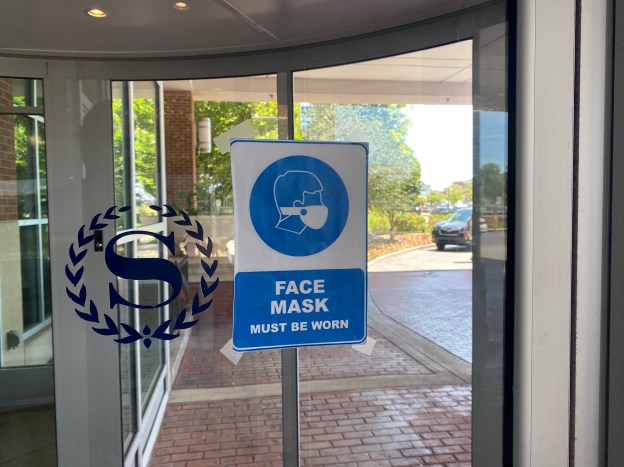
Upon arriving, I noted face mask signs on the revolving door, social distance markers on the floor, plastic glass at the check-in desks and at least two hand sanitizer stations in the lobby.
But what stuck out was the lack of guests moving about without wearing masks. These people were not social distancing and were lingering for far too long — especially as the lobby, restaurant and bar were not set up as the spaces typically are.
I scurried to the elevator after checking in. I wanted to use the Marriott Bonvoy mobile key instead of having to stand in the lobby, but the app was being problematic and required me to see the front desk.
So, once at the elevator, I realized I was given a room on the second floor (I’ve only ever had higher floors). I would soon understand that this was a great thing.
I made sure to be the only person going up. But once I exited, I noticed a set of doors that were closed, meaning guests had to touch the door. And in the few seconds I was there, several people came and went through those doors.
But on the other side of the doors was the door to my room. And the main doors were separating guest rooms from conference space, which meant I had access to the main staircase, which meant I did not need the elevator again. Win!
Inside my room, I wiped down high-touch surfaces with disinfectant wipes that I brought. The room was not much of an issue for me — especially after doing a lot of reading in the days leading up to my stay about the spread of COVID-19 in hotel rooms and through air systems.
I did have to go back downstairs two separate times — once to retrieve items from my car and another to get my Grubhub order.
Both times, there were more people without masks than with them walking through the lobby and outside. That made me quite uncomfortable as any one of these people could be infected with or without knowing.
We’ve learned more about how masks are incredibly important to help prevent the spread of COVID-19.
One of my biggest issues was the cost of the room. With the pool and fitness center closed and the hotel decreasing some of its other services, I paid what I normally would pay for a room. And all I got for it was heightened anxiety while in communal spaces — and I had to disinfect high-touch surfaces on my own to make sure it was properly done.
Will I stay in a hotel again during COVID-19? Probably, but certainly with increased precautions.
Some mostly common sense tips to helping to protect yourself while staying in a hotel:
Wear a mask. It’s the least you can do to help protect the hotel workers and other guests. Wear your mask outside of the hotel as well as inside, and keep it on until you enter your room.
Bring your own disinfectant wipes and hand sanitizer. Seems obvious, but it’s easy to leave them in your vehicle. You’ll want them on you so you can easily disinfect surfaces and clean your hands as soon as you get into your room.
Limit your time in the lobby. Right now, hotel lobbies aren’t for lounging or getting work done near the fireplace or gorgeous view. Do that in your room. Treat the lobby like an airport concourse — just keep moving.
Use mobile check-in and a mobile key if offered. This can help limit your time in the lobby waiting to check in. I am particular to Marriott Bonvoy, and try to only stay at Marriott properties (this includes Sheraton brands now, too) when possible. Their mobile key is great when it works correctly.
Pack light. If you don’t need all of your clothing and items in the hotel room with you, consider leaving them in your vehicle or at home. This will help you keep account of what you have and also help for the next bullet point.
Find the stairs. If you’re able to walk a few flights of steps, it might be the better option. This is not only to help protect you, but we all know what elevator delays in a hotel can be like — especially around check-out time. Packing light can make it easier to use the steps.
Limit your time outside of your room. Chances are, most hotels have closed their pools and fitness centers, and — if not fully closed — have probably decreased the amount of seating capacity in a restaurant or bar area. And except to get ice, there probably isn’t a need to linger in hallways. But if you do, mask up.
Bring light snacks, drinks. If you know your hotel room will have a small fridge, consider drinks to keep in there instead of ordering room service, visiting the hotel’s convenience corner or getting ice. Keeping small snacks on hand also helps to limit your time in common areas and can help keep staff out of the hallways (which helps protect them). I’ve read that hotels that typically offer light food services (club lounges, breakfasts, etc.) have either temporarily done away with those services or have moved to individually wrapped items. In addition, hotels have likely limited menu options for restaurants and room service. If you don’t eat meat, like me, you’ve likely found hotel menus (and some limited menus from standalone restaurants) to be quite frustrating.


 BobbyCherry.com