In a world where instant gratification reigns supreme and swipe-left decisions are made in seconds, it’s easy to lose sight of the value of investing time and energy into relationships. Whether it’s a friendship, romantic partnership or professional connection, relationships thrive on the principle of investment. Like any other meaningful endeavor, they require attention, patience and a willingness to show up consistently and with intent.
But why should we invest in relationships, and what’s the return on this investment? I think about this so often, and try to read about other’s experiences and journeys.
Relationships are built, not found
A common misconception is that strong relationships — whether friendships or romances — are found rather than built. We often idolize the idea of “instant connections” and “finding your person.” (As much as I’ve learned not to do this, I still do this at times.)
While chemistry or shared values can create a strong foundation, even the most promising of relationships need effort to truly flourish. The reality is that strong bonds are created over time, through shared experiences, mutual support and — most importantly — a conscious choice to nurture that connection.
When we invest in a relationship, we’re laying bricks of trust, understanding and shared meaning. This foundation becomes the bedrock of a resilient relationship, capable of dealing with conflicts, misunderstandings and challenges. Without that investment, relationships remain surface-level, fragile and prone to dissolve at the first sign of difficulty.
Growth requires vulnerability and commitment
Investing in a relationship requires vulnerability (something I’m not good at) — a willingness to open up, share our thoughts, fears and dreams. It also requires commitment. In friendships, that might mean consistently checking in on someone or being there when they need support. In romantic relationships, it involves showing up for your partner not just when it’s convenient but especially when it’s not.
Without this level of engagement, relationships can easily become transactional — existing only for convenience or superficial interaction. By committing time and emotional energy, we show that we value the other person and are willing to be a part of their growth journey. And in turn, we grow as individuals by learning from them.
The impact of deep, invested relationships
The benefits of investing in relationships are profound. People with strong, meaningful connections experience greater life satisfaction, better emotional well-being and even physical health benefits. When you invest in relationships, you’re creating a network of support, love and wisdom that can uplift you in moments of need.
Take friendship as an example. When you invest in a friend, you become part of their life in a way that enriches both of you. You celebrate each other’s successes, mourn each other’s losses and provide a safe space to express yourselves. This is more than just a casual acquaintance — it’s a relationship where both parties can truly rely on each other.
It’s not about keeping score
One of the challenges people face when investing in relationships is the fear of imbalance. No one wants to feel like they’re putting in all the work. But here’s the truth: Investing in a relationship isn’t about keeping score. Healthy relationships have an ebb and flow, where at times one person might need more support or attention than the other.
By focusing on the bigger picture, and understanding that relationships are dynamic, we realize that the return on investment is often intangible. It’s in the moments of laughter, shared companionship and mutual growth.
The courage to invest
It can be scary to invest in people. There’s always a risk of disappointment, conflict or the possibility that the relationship may not evolve as you hoped. But that risk is a part of life. The real loss is in holding back — choosing not to invest because of the fear of failure or rejection.
Great relationships require courage. They require you to step out of your comfort zone and trust that the other person values the relationship as much as you do. They require patience, as growth often happens in small, almost imperceptible ways. And they require consistency — because deep connections aren’t built overnight.
The reward of meaningful relationships
The relationships we invest in shape who we are. When we give of ourselves, we learn not just about the other person, but about our own capacity for love, empathy and connection. The real reward is not just the relationship itself but the person we become through the process.
In a world that encourages quick fixes and short-term thinking, the willingness to invest in relationships is an act of resistance. It’s a choice to prioritize depth over convenience and meaning over fleeting interactions.
So, whether it’s a friendship, working relationship, family member or romantic connection, don’t be afraid to invest. You’ll find that the time, energy and love you put into the relationship will come back to you in ways far beyond what you ever expected.
The April 2024 eclipse keeps paying off for Erie, Pennsylvania.
VisitErie, Erie County’s tourism marketing and promotion organization, received the U.S. Travel Association’s 2024 Educational Seminar for Tourism Organizations Destiny Award for “Integrated Marketing and Messaging Campaign: Overall DMO Marketing Budget less than $1 million” for its “The Ultimate Sunblock” eclipse campaign.
The organization was presented the award Aug. 13 at the U.S. Travel Association’s 2024 Educational Seminar for Tourism Organizations conference in Columbus, Ohio.
“I am so honored to have this campaign recognized by an organization as prominent as the U.S. Travel Association, allowing us to share it with industry peers nationwide,” Emily Biddle, VisitErie’s director of marketing and research and leader of both the campaign and Erie’s regional planning committee, said in a statement. “From the minute our team heard the idea from our creative agency, Red House Communications, we knew we could have a lot of fun with ‘The Ultimate Sunblock’ — and we did. We are so appreciative of the Erie community embracing this campaign during the eclipse. This award makes us all the more eager to keep pushing boundaries with our marketing to inspire travel to this spectacular region.”
VisitErie and Red House Communications submitted a summary of its eclipse campaign.
Erie was Pennsylvania’s only city in the eclipse’s path of totality on April 8. VisitErie estimates that more than 100,000 people traveled to Erie that weekend. With nearly a 100 percent hotel occupancy, VisitErie says that the eclipse weekend likely represents the largest visitation weekend in Erie history.
Have more time? Keep reading to learn more and donate!
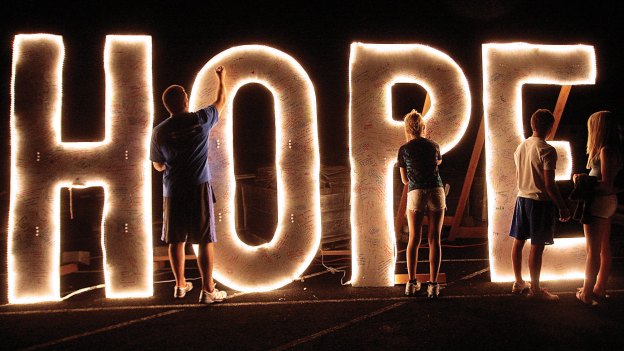
Help fund hope
Your donation to the American Cancer Society helps to fund hope.
The American Cancer Society is at the forefront of the battle against cancer.
In 2022 alone, the American Cancer Society invested $267 million in groundbreaking cancer research. These funds support innovative studies aimed at discovering better treatments, understanding the causes of cancer and improving the quality of life for those affected by the disease. This research is crucial for making strides in prevention, early detection, and treatment of cancer.
The American Cancer Society has funded numerous groundbreaking research projects over the past 50 years that have significantly advanced our understanding and treatment of cancer.
Here are five crucial research projects:
Discovery of the BRCA1 and BRCA2 genes
In the 1990s, American Cancer Society-funded researchers played a pivotal role in identifying the BRCA1 and BRCA2 genes, mutations of which are linked to a higher risk of breast and ovarian cancers.
This discovery has led to the development of genetic tests that can identify individuals at high risk, allowing for preventive measures such as increased surveillance, prophylactic surgeries, and personalized treatment plans.
Development of the HPV vaccine
American Cancer Society-funded research was instrumental in the development of the human papillomavirus (HPV) vaccine, which protects against the virus responsible for the majority of cervical cancer cases.
The introduction of the HPV vaccine has the potential to drastically reduce the incidence of cervical and other HPV-related cancers, offering a powerful tool for cancer prevention.
Advances in chemotherapy for childhood leukemia
The American Cancer Society has supported numerous studies that have improved chemotherapy protocols for treating childhood leukemia, particularly acute lymphoblastic leukemia, or “ALL.”
These advancements have significantly increased survival rates for children diagnosed with ALL, transforming it from a largely fatal disease to one with a high cure rate.
Research on immunotherapy
The American Cancer Society has funded pioneering research in immunotherapy, which harnesses the body’s immune system to fight cancer. This includes work on checkpoint inhibitors and CAR T-cell therapy.
Immunotherapy has revolutionized cancer treatment, offering new hope for patients with types of cancer that were previously difficult to treat, such as melanoma and certain types of lymphoma.
Understanding cancer metastasis
American Cancer Society-funded researchers have made significant strides in understanding how cancer spreads (metastasizes) from its original site to other parts of the body.
This research has led to the development of treatments aimed at preventing metastasis, which is responsible for the majority of cancer deaths. By targeting metastatic processes, these treatments have the potential to improve survival rates and quality of life for patients.
Value of the research
Patients: These projects have led to earlier detection, more effective treatments, and higher survival rates, offering hope and improved outcomes for patients.
Caregivers: Advancements in cancer treatment and understanding help caregivers by providing them with better tools and knowledge to support their loved ones through their cancer journey.
Cancer community: Continued research fosters a deeper understanding of cancer biology, paving the way for innovative therapies and ultimately bringing us closer to a world without cancer.
These contributions by the American Cancer Society underscore the critical role of research in transforming cancer care and improving the lives of patients and their families.
Cancer incidences on the rise as cancer deaths decline
The American Cancer Society expects the U.S. to hit a bleak milestone: More than 2 million new cases of cancer. That’s almost 5,500 per day.
Some cancer types are increasing in specific subgroups. For example, colorectal cancer is rising among people under 55, liver cancer in women, oral cancers linked to HPV and cervical cancer in women aged 30-44.
While four of these cancers (breast, prostate, colorectal and cervical) have screening tests, which can prevent cancer by detecting precancerous lesions, the incidence of six rising cancers is associated with excess body weight: Endometrial, liver, kidney, pancreatic, colorectal and breast cancers.
The rising incidence of cancer affects younger populations as well. Although people aged 65 and older still represent a significant proportion of cancer diagnoses, this group’s share has decreased from 61% in 1995 to 58% in 2019-2020.
Conversely, cancer diagnoses in people aged 50-64 are increasing. This shift is partly due to declines in prostate and smoking-related cancers in older men and rising cancer incidence in those born since the 1950s, potentially linked to the obesity epidemic and other unknown factors.
The proportion of people under 50 diagnosed with cancer has decreased from 15% to 12%, despite an overall rise in cancer incidence in this age group from 1995 to 2020.
Colorectal cancer is notably increasing among those under 50, now the leading cause of cancer death in younger men and the second in women.
The cause remains unclear but may involve lifestyle changes since the 1950s. Cervical cancer is also rising in women aged 30-44, while it has declined in women aged 20-24 who were among the first to receive the HPV vaccine.
Over the past 30 years, the cancer death rate in the United States has steadily declined, saving approximately 4 million lives.
This decrease is attributed to significant progress in smoking cessation, early detection and treatment advancements.
However, the incidence of many common cancers is rising. In 2024, the US is expected to see new cancer cases surpass 2 million, equating to about 5,500 diagnoses daily.
This increase is driven by an aging population and a rise in six of the ten most common cancers: breast, prostate, endometrial, pancreatic, kidney and melanoma.
Projected cancer deaths for 2024 are over 611,000, with more than 1,600 deaths daily.
LGBTQ people face unique risks for developing cancer
LGBTQ people face unique cancer risks and significant disparities in cancer incidence and outcomes. Research indicates disparities across the cancer continuum—from prevention to early detection and treatment—though more data is needed to fully understand these differences.
“The LGBTQ+ population has some differences in exposures that are probably pretty influential in terms of their risk for developing cancer, but we can’t look at the cancer risk because we don’t have data. Data is also key for the development of targeted cancer-control efforts. It’s time the US fills that gap,” said Rebecca Siegel, one of the authors of the 2024 “Cancer Facts & Figures” study.
Currently, population-based information on cancer in the LGBTQ+ community is limited to national surveys that gather data on risk factors and screening practices. However, there are no active methods for collecting comprehensive data on cancer incidence and mortality in this group because sexual orientation and gender identity are not consistently recorded in medical records. This lack of data hampers targeted cancer control efforts and underscores the need for more inclusive data collection practices to address and mitigate these disparities effectively.
Cancer increasingly affecting younger people
Cancer is increasingly affecting younger populations. While cancer risk typically rises with age, the demographics of cancer diagnoses are shifting. In 1995, people aged 65 and older accounted for 61% of new cancer cases, but by 2019-2020, this had dropped to 58%. Meanwhile, the proportion of cancer diagnoses in those aged 50 to 64 has grown, driven by declines in prostate cancer and smoking-related cancers among older men, and a rise in cancers in those born since the 1950s, likely influenced by the obesity epidemic and other unknown factors.
Conversely, the proportion of cancer diagnoses in individuals under 50 has decreased from 15% to 12%, although this group saw an overall increase in cancer incidence from 1995 to 2020. A significant concern is the rise in colorectal cancer among those under 50, now the leading cause of cancer death in men under 50 and the second in women of the same age. This increase is likely due to lifestyle changes starting with those born around 1950. Nearly one-third of individuals diagnosed with colorectal cancer before 50 have a family history or genetic predisposition, prompting recommendations for earlier screening.
Additionally, cervical cancer rates are rising among women aged 30 to 44. In contrast, the HPV vaccine’s impact is evident in women aged 20-24, with a notable decline in cervical cancer incidence from 2012 to 2019.
Progress against cancer lags in communities of color
Racial disparities in cancer remain significant and persistent. Black individuals with prostate, stomach and uterine cancers have double the death rate compared to white individuals. Similarly, American Indian and Alaska Native individuals face twice the death rates for liver, stomach and kidney cancers compared to white people.
Key statistics highlight these disparities:
Black men have the highest overall cancer death rate, 19% higher than white men, primarily due to prostate cancer.
American Indian and Alaska Native people have the highest overall incidence and mortality rates for men and women combined. Alaska Natives have the highest global rates of colorectal cancer incidence and mortality.
Hispanic individuals have lower rates of common cancers like breast and prostate but high rates of infection-related cancers, with cervical cancer incidence 35% higher than in white women.
Black women with endometrial cancer face double the death rate of white women, despite similar incidence, due to later diagnoses and poorer survival rates.
Advancements in cancer treatment and early detection have not benefited minority communities equally. Historical and ongoing racial discrimination has led to significant socioeconomic disparities, limiting access to healthy living conditions, timely cancer diagnoses and high-quality treatment. Segregationist and discriminatory policies in various sectors continue to exacerbate these inequalities, impacting cancer outcomes in these populations.
With YOUR support, the American Cancer Society is making a difference in the fight against cancer through research grants that help to uncover better ways to treat cancer, find cancer and help people with cancer live better lives.
With YOUR support, the American Cancer Society is helping to fund programs and services that provide support to cancer patients, their families and, really, all of us.
Among these programs is the organization’s 24/7 cancer support line, which offers a live human available any hour of the day to answer any questions you might have about cancer. You can call 1-800-227-2345.
For nearly 30 years, I’ve been a participant, supporter and volunteer with the American Cancer Society. What began as a way to celebrate and remember the life of my grandmother has grown to celebrate, remember and honor far too many other people who have been impacted by cancer. I Relay to help fund hope.
Your support will help fund research, programs, services, information — and it will help fund hope.
Costco plans to halt regular book sales across its U.S. stores from January 2025, opting to sell them solely during the holiday season, The New York Times reported, citing four publishing executives who asked to remain anonymous.
The decision, apparently driven by labor concerns, could impact publishers amidst stagnant print sales and challenges in reaching online customers.
Costco had not yet commented publicly on the matter, as of June 6.
The book publishing industry has experienced significant transformations over the last several years as consumer behaviors change.
The rise of e-books and audiobooks has revolutionized the industry, providing readers with more accessible and convenient options.
Platforms like Amazon’s Kindle and Audible have dominated the market, while traditional print sales have faced stagnation.
Advances in self-publishing platforms — such as Amazon’s Kindle Direct Publishing — have democratized the industry, allowing authors to bypass traditional publishing houses. This shift has empowered writers but also increased competition.
Major publishing houses have undergone mergers and acquisitions to consolidate resources and expand their market presence. Notable mergers include Penguin and Random House in 2013, forming the world’s largest trade book publisher.
Traditional brick-and-mortar bookstores have struggled, with several notable closures, partly due to the rise of e-commerce giants like Amazon.
However, independent bookstores have seen a resurgence, emphasizing community engagement and personalized experiences.
The COVID-19 pandemic initially disrupted the industry, causing delays and logistical challenges. But it also spurred a rise in reading, particularly in digital formats, as people sought entertainment and escape.
Supporting LGBTQ people is essential for fostering inclusivity, equality and understanding — and it’s just the right thing to do.
Here are five impactful ways allies can step up and make a difference:
1. Educate yourself
As an ally, it’s crucial to invest time in understanding LGBTQ history, issues, and terminology. This includes learning about different identities and experiences within the community. By becoming knowledgeable, you can challenge misconceptions, provide accurate information, and show genuine respect for LGBTQ individuals’ experiences. This education not only helps you become a better ally but also fosters a more inclusive environment where everyone feels valued and understood.
2. Speak out against discrimination
Discrimination can take many forms, from subtle comments to overt actions. Allies should actively confront and condemn homophobic, transphobic, and discriminatory remarks or behaviors. This involves challenging offensive jokes, biased comments, or unfair treatment in various settings. By speaking out, you help create a culture of accountability and support, making it clear that discrimination is unacceptable. Your voice can be powerful in driving change and fostering respect.
3. Support LGBTQ rights
Advocacy plays a crucial role in advancing LGBTQ rights. Allies can participate by voting for inclusive policies, supporting legislative efforts, and joining campaigns that promote equality. Additionally, supporting LGBTQ organizations through donations or volunteer work helps sustain crucial services and initiatives aimed at improving the community’s well-being. By standing up for LGBTQ rights, you help create a society where everyone is treated equally under the law.
4. Create inclusive spaces
Making every environment inclusive and welcoming for LGBTQ people is essential. This involves implementing and promoting policies that ensure safety and respect, using inclusive language, and celebrating LGBTQ identities. Whether in workplaces, schools, or social settings, inclusive practices help LGBTQ individuals feel seen, valued, and safe. As an ally, your efforts to create inclusive spaces can significantly impact the lives of those around you.
5. Listen and offer support
Being an active, empathetic listener is one of the most important ways to support LGBTQ individuals. Offer a non-judgmental space for them to share their experiences and feelings. Providing emotional support, affirming their identities, and respecting their confidentiality fosters trust and demonstrates genuine allyship. By simply listening and offering your support, you contribute to their sense of acceptance and belonging.