Like most Millennials I know, I love Pixar movies.
They’ve been a constant source of joy, inspiration and, yes, buckets of tears over the years.
There’s just something about the way Pixar captures emotions — the quiet beauty of relationships, the ache of loss, the thrill of adventure — that gets me every time.
Pixar movies don’t just tell stories; they make you feel them deep in your heart.
Take “Inside Out,” for example.
It’s a masterclass in emotional storytelling.
By personifying Joy, Sadness, Anger, Fear and Disgust, Pixar doesn’t just explain emotions; it validates them.
Watching Riley navigate the complexities of growing up while learning to embrace all her feelings — not just the happy ones — is such a poignant reminder of the importance of emotional balance.
It’s impossible not to cry when Joy and Sadness work together to help Riley reconnect with her family.
Then there’s “Up,” a movie that delivers one of the most heart-wrenching love stories ever told in just its first ten minutes.
The montage of Carl and Ellie’s life together is a bittersweet testament to love, loss and the enduring power of memory.
By the time Carl ties those balloons to his house and sets off on his adventure, you’re already so emotionally invested that the rest of the movie feels like a healing journey.
And then there’s “Finding Nemo.”
It’s not just a thrilling underwater adventure; it’s also a deeply emotional tale of love and the struggle to let go.
Marlin’s fear and overprotectiveness resonate with anyone who’s ever loved someone so much it hurts, and his journey to trust Nemo’s capabilities is as inspiring as it is touching.
Pixar has an uncanny ability to tackle complex themes in ways that feel accessible and authentic.
Whether it’s the existential questions raised in “Soul” or the celebration of family and legacy in “Coco,” these films have a way of making you think about life and relationships in new and meaningful ways.
Even “The Good Dinosaur,” often overlooked in the Pixar lineup, captures the raw emotion of fear, courage and finding your place in the world.
And let’s talk about “Toy Story 3.” That movie absolutely destroyed me (in the best way). The scene where Andy hands over his toys to Bonnie is one of the most poignant goodbyes ever put to screen.
It’s not just about saying farewell to childhood; it’s about embracing change and finding joy in new beginnings.
Pixar understands that life’s most meaningful moments are often bittersweet, and they’re not afraid to show it.
(And do not even talk to me about the conveyor belt scene!)
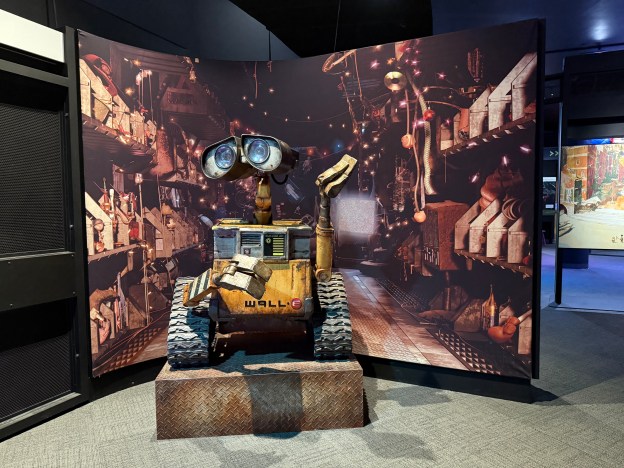
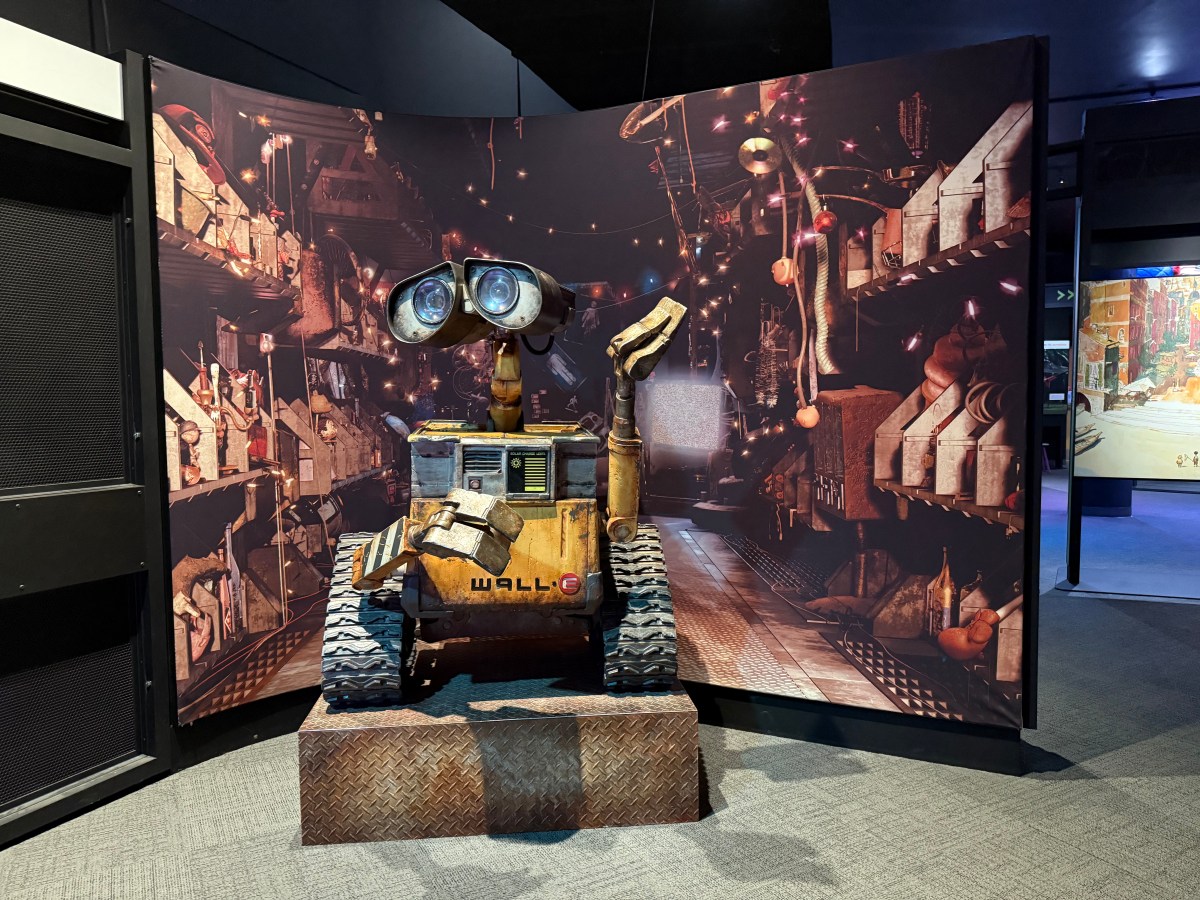
This love for Pixar movies hit me even harder after visiting “The Science Behind Pixar” exhibit at the Carnegie Science Center.
Seeing how much thought, effort and creativity goes into every tiny detail of these films blew me away.
From animating lifelike movements to designing entire worlds from scratch, it’s clear that every frame of a Pixar movie is crafted with so much care and love. It’s no wonder their movies resonate so deeply.
Walking through the exhibit, interacting with the displays and geeking out over photo ops with Buzz Lightyear, Sulley and Dory reminded me just how special Pixar is.
It reignited my passion for their storytelling and gave me an itch to revisit every single one of their films.
So, I decided to do just that. Over the next few months, I’m embarking on a journey to watch all the Pixar movies in series order, while also grouping them thematically.
It’s going to be a beautiful nostalgia trip.
Here’s my Pixar rewatch schedule:
Week 1: January 6–12
Theme: Pixar Beginnings
- Toy Story (1995)
- A Bug’s Life (1998)
- Toy Story 2 (1999)
Week 2: January 13–19
Theme: Monsters and Friends
4. Monsters Inc. (2001)
5. Monsters University (2013)
6. Finding Nemo (2003)
Week 3: January 20–26
Theme: Family Adventures
7. Finding Dory (2016)
8. The Incredibles (2004)
9. Incredibles 2 (2018)
Week 4: January 27–February 2
Theme: Racing and Resilience
10. Cars (2006)
11. Cars 2 (2011)
12. Cars 3 (2017)
Week 5: February 3–9
Theme: Creativity and Self-Discovery
13. Ratatouille (2007)
14. Brave (2012)
15. Onward (2020)
Week 6: February 10–16
Theme: Emotional Journeys
16. Inside Out (2015)
17. Soul (2020)
18. Elemental (2023)
Week 7: February 17–23
Theme: Space and Sci-Fi Adventures
19. WALL-E (2008)
20. Lightyear (2022)
Week 8: February 24–March 1
Theme: Cultural Celebrations
21. Coco (2017)
22. Luca (2021)
Week 9: March 2–8
Theme: Toy Story Finale
23. Toy Story 3 (2010)
24. Toy Story 4 (2019)
Week 10: March 9–15
Theme: Wrapping Up Pixar
25. The Good Dinosaur (2015)
26. Turning Red (2022)
This schedule lets me relive Pixar’s magic in an organized, intentional way. From the beginnings of Woody and Buzz’s friendship to the emotional depth of “Soul” and “Inside Out,” I’m excited to experience these stories all over again.
If you’re a Pixar fan too, I can’t recommend “The Science Behind Pixar” exhibit at the Carnegie Science Center enough. Read more about the exhibit, which closes Jan. 26, here.
It’s the perfect way to dive deeper into the art and science behind these beloved films and to fall even more in love with the characters and stories we’ve cherished for decades.

 BobbyCherry.com